Smart Lighting Installation Service Burlington

A smart lighting installation service Burlington property owners can rely on should do more than pair a few bulbs to an app. The right setup makes everyday routines easier, keeps important areas well lit, and still works in a practical way when family members, staff, guests, or the internet connection do not cooperate.
For a Burlington home, that may mean lighting the driveway before you arrive, turning off the main floor from bed, or making sure exterior paths are visible after dark. For a small business, it can mean dependable lighting for entrances, storage areas, offices, and customer spaces without leaving every switch on overnight. The difference is in the planning, installation quality, and support behind the devices.
What a Smart Lighting Installation Service in Burlington Should Solve
Smart lighting is most useful when it removes small daily frustrations. A professionally designed system considers how you actually use each room or work area rather than adding automation for its own sake.
In a home, common priorities include entry lighting, kitchens, hallways, bedrooms, outdoor fixtures, and lights that support a security camera system. In a business, the focus may be staff access, closing routines, customer-facing areas, parking lot visibility, and energy use. Each property has different wiring, Wi-Fi coverage, fixture types, and control preferences, which is why a one-size package is rarely the best answer.
A good installation starts by asking practical questions. Which lights need scheduled control? Do you want wall switches, voice control, phone control, or a combination? Should outdoor lights respond to sunset, motion, or camera activity? Does the existing Wi-Fi reach the garage, basement, rear yard, or detached workspace? These details shape a system that is convenient to live with instead of another app that gets ignored.
Start With the Right Type of Control
Smart bulbs are often the easiest entry point. They can add dimming, colour temperature, scheduling, and app control without changing the fixture. They work well for lamps, occasional-use rooms, and spaces where individual light control matters.
Smart switches and dimmers are usually a better choice for permanently installed ceiling lights, kitchens, hallways, and shared spaces. A switch keeps the physical wall control familiar while adding schedules and remote access. This matters when more than one person uses the space. If someone turns off a conventional switch that powers smart bulbs, the bulbs lose their connection. A smart switch avoids much of that confusion.
There are trade-offs. Not every existing switch box has the wiring needed for every smart switch model, and older homes may need a closer look before equipment is selected. Some LED fixtures also require compatible dimmers to prevent flickering or humming. A professional assessment can identify these issues before installation begins, rather than after new devices have been purchased.
For larger properties or systems that include smart locks, cameras, alarms, and other automation devices, a central hub or properly selected platform can make control more consistent. It can also reduce the number of separate apps required. However, a hub is not automatically necessary. The best approach depends on the number of devices, the brands being used, the level of automation required, and who needs access to the system.
Plan Lighting Around Real Routines
The most valuable automations are usually simple. A weekday morning routine can gradually bring up kitchen lighting. Exterior lights can turn on at sunset and turn off at a defined time. A single “goodnight” command can turn off common areas while leaving a hallway light on for safety.
For small businesses, schedules can support opening and closing procedures without replacing staff oversight. Lights at a front entrance or reception area can follow business hours, while back rooms and offices remain manually controlled. If a business uses security cameras, lighting should be planned with nighttime video in mind. Poorly placed bright fixtures can create glare, shadows, or reflections that reduce camera image quality.
Motion-based lighting is helpful in the right place, but it is not the answer everywhere. A side yard, stairway, utility room, or storage area may benefit from motion activation. A busy family room or customer area may not. Sensors that trigger too easily become annoying, and automations that surprise people tend to be disabled. Straightforward rules are more likely to stay useful over time.
Reliable Wi-Fi Is Part of the Installation
Many smart lighting problems are actually network problems. Devices may appear offline because of weak Wi-Fi coverage, overcrowded wireless settings, router placement, or an internet service interruption. This is especially common with outdoor lights, basement fixtures, garages, and additions located far from the main router.
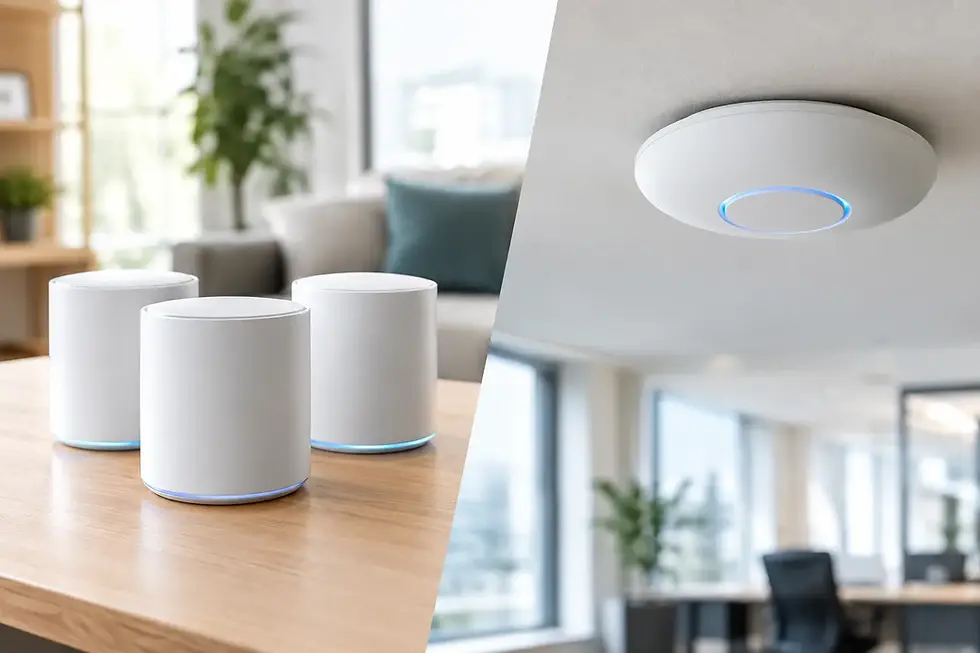
Before relying on phone-based lighting control, it is worth checking network coverage where the devices will be installed. In some properties, improving Wi-Fi with better access point placement or a properly configured mesh system is the practical first step. A lighting system should not be treated as separate from the network that supports it.
Security also matters. Smart devices should be connected and configured with sensible account access, strong passwords, current software, and a clear understanding of who can control them. For a business, owners may want separate access levels for managers or staff. For a household, it helps to decide whether children, tenants, cleaners, or visiting family members need app access at all.
Clean Installation Makes the Difference
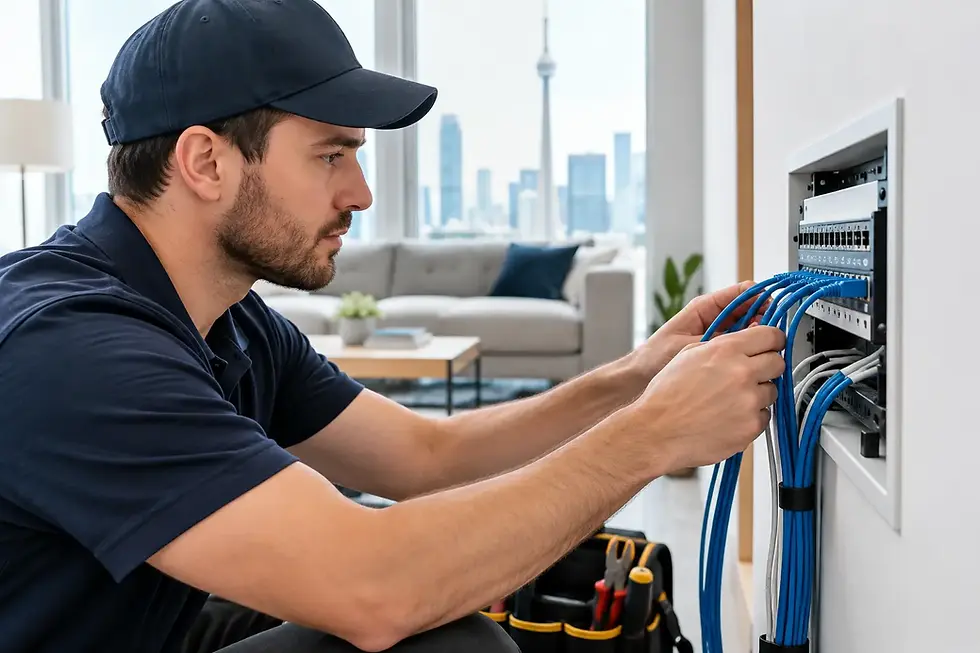
A professional installation protects the appearance of your property as well as the performance of the technology. Devices should sit squarely, switches should be correctly fitted, wiring should be handled safely, and cables or control equipment should not be left as an afterthought. Where electrical work requires a licensed electrical professional, that requirement should be respected.
The final setup should also be easy to understand. People should know which switches control which areas, how to use the normal wall controls, and what to do if the Wi-Fi is temporarily unavailable. The goal is not to make every task depend on a phone. A well-designed smart lighting system retains practical manual control while adding convenience when you want it.
At TechWise, smart lighting can be planned alongside Wi-Fi upgrades, security cameras, smart locks, and other connected devices. That broader view is useful because these systems often affect one another. A front-door camera, for example, may be more effective when an entry light is scheduled correctly and the wireless signal is dependable at the door.
When to Upgrade Rather Than Patch
Adding one or two smart devices can be a sensible way to solve a specific problem. If you only want a porch light on a sunset schedule or remote control for a basement lamp, a small installation may be all that is needed.
It may be time for a more complete plan when devices regularly disconnect, several apps are required to control basic functions, switches flicker, outdoor coverage is unreliable, or you are renovating part of the property. A renovation is often the easiest time to consider wiring, fixture locations, dimmers, and network improvements together.
Small-business owners should also consider future growth. A lighting setup that works for one office may need to expand to a second unit, storage area, or customer entrance later. Choosing compatible equipment and documenting the setup makes changes less disruptive.
Questions Worth Asking Before Installation
Before booking a smart lighting installation service in Burlington, ask how the system will work during a Wi-Fi or internet outage, whether existing switches and fixtures are compatible, and how future devices can be added. It is also reasonable to ask who will support the system after installation and whether the installer can help when the issue turns out to be the network rather than the light itself.
A clear quote should reflect the property, the equipment required, any wiring or compatibility considerations, setup time, and testing. The lowest device price is not always the lowest long-term cost if the system is difficult to use, unreliable at the edge of the property, or unsupported after the initial visit.
The best smart lighting setup is one you barely have to think about. It should make a dark entry safer, a closing routine simpler, and everyday control more convenient while still leaving you with familiar switches and dependable local help when something changes. If you are considering lighting, Wi-Fi, security, or automation improvements together, a property-specific assessment is a practical place to start.